by Ian Curwen

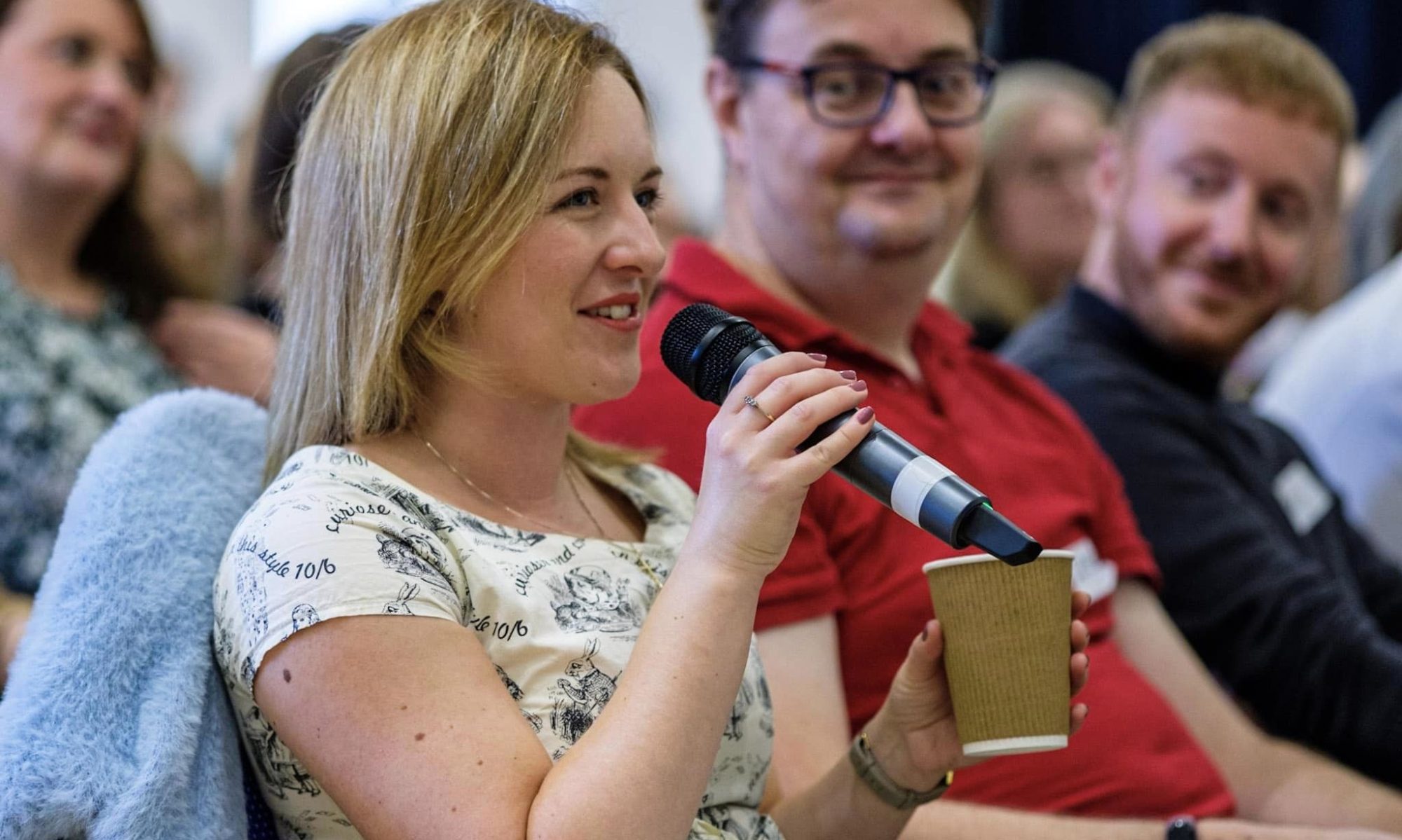
At Comms Camp Scotland this month, I led a session on diversity and inclusion – moving beyond awareness days.
Awareness days are, as the name suggests, a tool for raising awareness. Raising awareness is more likely to be at the start of your diversity and inclusion journey.
For me, this means that if your diversity and inclusion communications calendar is largely made up of awareness days, then it’s time for a rethink.
I was pleased to see a busy boardroom at the Queen Margaret Union for the session. I was even more pleased to facilitate an engaging discussion with people willing to share their organisation’s approach and even their own experiences.
Thanks to everyone who joined the session and contributed. I’ve summarised my observations below. I’d welcome your thoughts too.
How diverse is your team?
We started with a prompt to consider how diverse our teams are. If they are not, then how can we communicate authentically to audiences we might not represent?
One of the participants commented on the small number of non-white faces at the event. This was a really interesting observation. As a white man, this wasn’t something I had considered until it was mentioned. That itself is telling.
It’s a long journey
The journey to being a more diverse organisation, where everyone can be their true self, is a long one. At times it can be isolating – especially if others don’t agree with the approach you’re taking.
This means you need to be resolute and steadfast in your commitment. It requires the visible buy-in of leadership – especially if you plan to make changes to your organisation, its policies and priorities.
One participant mentioned their chief executive grasping the issue of diversity. They reflected that, “the chief exec must have broad shoulders.”
While it is a journey, it’s not one with a clear destination. Things will change and evolve and there will be new challenges along the way. There is always further we can go and more we can do.
Awareness days can dilute or concentrate
In communications teams, we’re a bit cynical about awareness days. We know they can be overused, and they can appear tokenistic if the way we mark them isn’t properly considered.
Consider how much more powerful is it to see an organisation that celebrates diversity and is representative of its workforce and community in all its communications, rather than once a year.
That said, awareness days can be an effective way of introducing a topic or exploring specific challenges or issues for a community. They’re a way of helping someone walk a mile in someone else’s shoes.
But, if you’re doing that, be careful not to drown out well crafted, engaging and insightful communications with volume.
In the room, we felt that fewer, higher quality communications were the way to go.
Curiosity and authenticity – speak to people
Awareness day communications should be those that enlighten your audience or explain a situation.
As communicators we’re curious storytellers. This curiosity should help us find the interesting stories to tell. They should be interesting because they help people understand the community you’re talking about.
If you belong to that community, they should sound authentic.
The way you ensure they’re authentic is by reaching out to that community. Speak to them.
I think that’s probably obvious, but it’s always worth remembering.
Expectation management
When you engage with an audience or a particular community or network, you should be honest about why you’re reaching out to them, what you are able to do for them, and how this will balance against your other priorities.
Where I work, we have 11,000 employees and 17 employee networks. They’ve all got some brilliant stories to tell, but we must ensure they’re not competing with everything else we want and need to say.
If you’re telling an individual’s story, how are you going to support them and give them a safe space to do so? What do they get in return for sharing their story?
If you’re reaching out to a community group, can you help them achieve their aims?
If you’re supporting a network, what are you asking of them? Is it aligned to their scope and expectations?
In the room, we heard about an organisation’s women’s network and how its main role was to organise social events like theatre trips. There is nothing wrong with that if the purpose is clear. But don’t pretend it’s a voice for women in the workplace. Don’t use it that way.
In an ideal world, your network will have terms of reference and clear objectives, and you’ll be able to support them with clear communications ones.
Talk the talk, walk the walk
If your organisation is talking more than it has in the past about diversity and inclusion, what else is it doing? Is it walking the walk as well as talking the talk?
There are lots of ways this can be demonstrated. A simple example that was mentioned in the room was committing to diversity on panels – agreeing not to speak at events that have a male-only or white-only panel of speakers – and telling the organisers why you are declining.
How do you quantify and evidence progress?
Final thoughts
It was great to lead a session about a topic I feel passionate about. I loved hearing people’s views and experiences.
The room felt united in the view that we need to move past awareness days to promote diversity. We agreed we need to be authentic and understand and engage our audiences to achieve that.
What else?
The session lasted 40 minutes and we packed a lot into that time. But there was a lot we didn’t cover, which I’d have liked us to.
We only briefly touched on the current, less tolerant climate. We didn’t discuss intersectionality and how that shapes the narrative. We also didn’t explicitly cover the importance of allies to so many of our employee networks and community groups. Perhaps they’re pitches for the next Comms Camp.
Ian Curwen is a stakeholder relations officer working in the nuclear sector.
 commscamp